
SSL and Domain Monitoring - Expiration Risk and Renewal Control
SSL certificate and domain expiration are predictable risks. Nocentry detects them early, opens warning incidents on threshold breaches, and confirms recovery after renewal.
SSL and domain monitoring in one operational workflow
Nocentry keeps expiration controls in the same service model as uptime checks. For each monitored HTTP service, teams can enable SSL expiry and domain expiry tracking independently.
When remaining validity reaches the warning threshold, the platform creates dedicated incidents and routes alerts through configured contact subscriptions.
Certificate and domain expiration lifecycle tracking
SSL expiration is evaluated from observed certificate validity dates. Domain expiration is collected using registry data sources with fallback logic, then stored for risk evaluation.
If renewal extends validity beyond the threshold, active incidents are resolved and recovery notifications can be sent through selected alert channels.
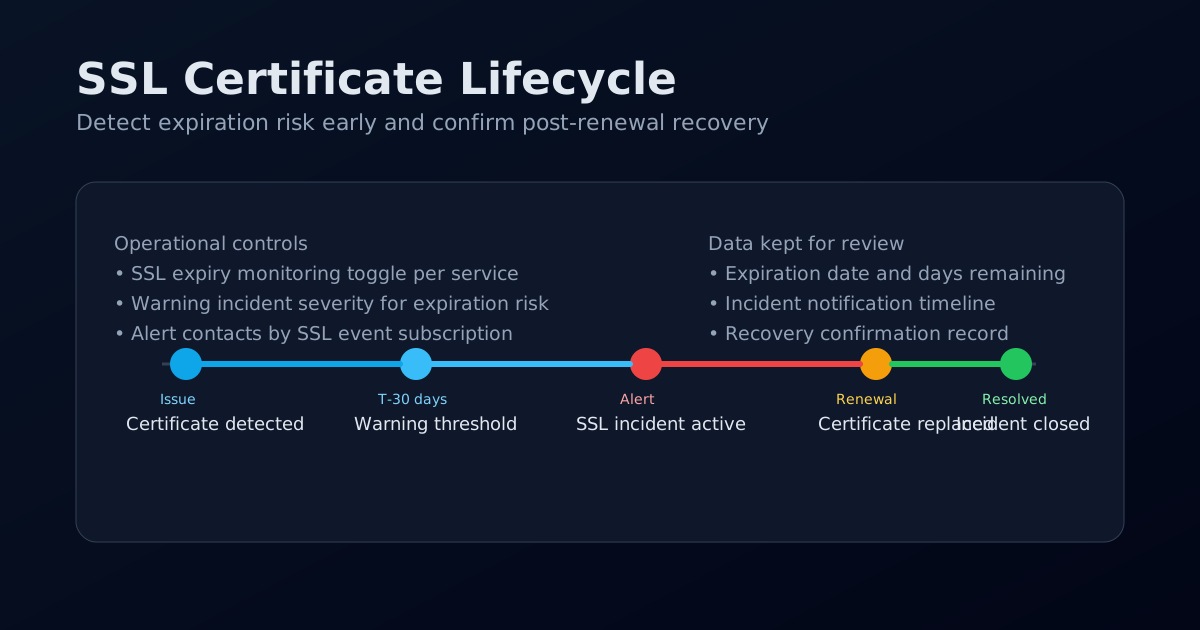
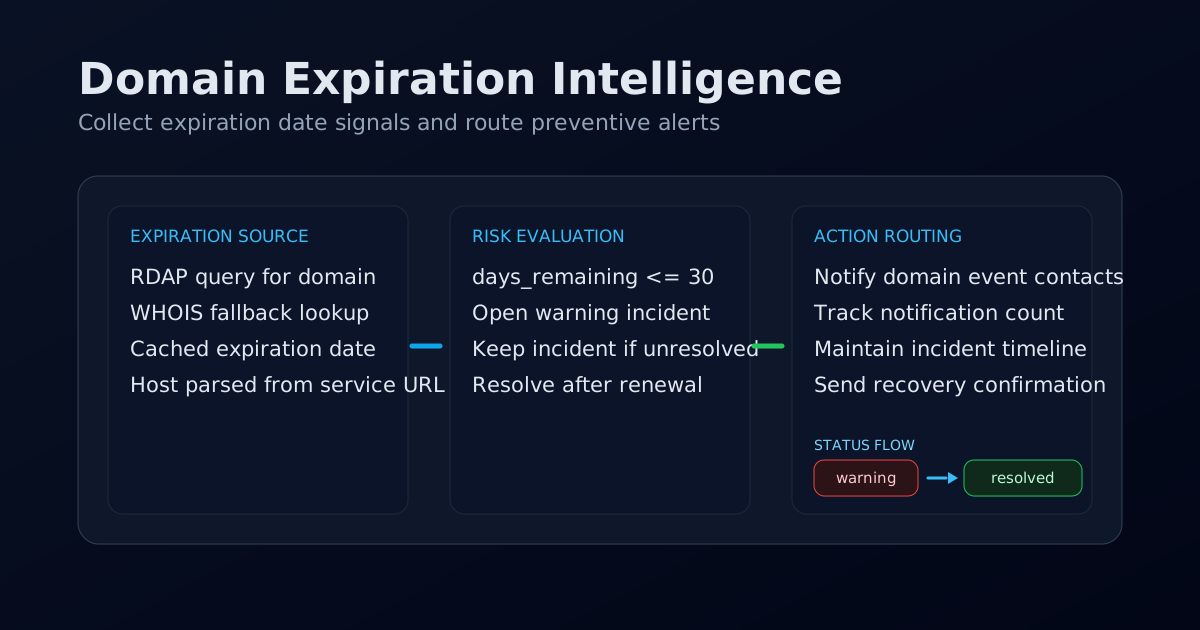
SSL and domain monitoring capabilities
Risk detection model
- Remaining validity days are recalculated from latest check data
- Expiration incidents open when threshold is reached
- Incident severity is warning for expiration-type events
Notification routing
- Separate event subscriptions for SSL and domain expiration
- Dedicated templates for warning and resolved notifications
- Alert contacts can split ownership by event category
Operational consistency
- Unified incident timeline with notification counters
- Recovery closes active incidents when risk is removed
- Same governance model as other service monitor types
Data collection path
- Certificate date from HTTPS connection metadata
- Domain date from RDAP with WHOIS fallback
- Expiration cache for efficient repeated checks
Typical use cases
- Public API and web gateway certificates
- Customer-facing domains and landing infrastructure
- Multi-tenant SaaS domains with shared ownership
- Compliance-driven environments with renewal controls
SSL and domain monitoring FAQ
When does the platform create expiration incidents?
Incidents are opened when remaining certificate or domain validity falls within the warning window (30 days).
How are domain expiration dates collected?
Nocentry first attempts RDAP lookup and uses WHOIS as fallback when needed.
What happens after renewal?
When updated validity moves beyond the warning threshold, active expiration incidents are resolved and recovery notifications can be dispatched.
Can SSL and domain events notify different owners?
Yes. Alert contacts can subscribe independently to SSL expiration and domain expiration event types.
Need to harden renewal readiness across critical services? Review plans or contact our team for rollout guidance.